Quickship LapGuard Lead Half Apron - Large Size


Usually Ships in 1-2 Business Days
In stock
Product Description
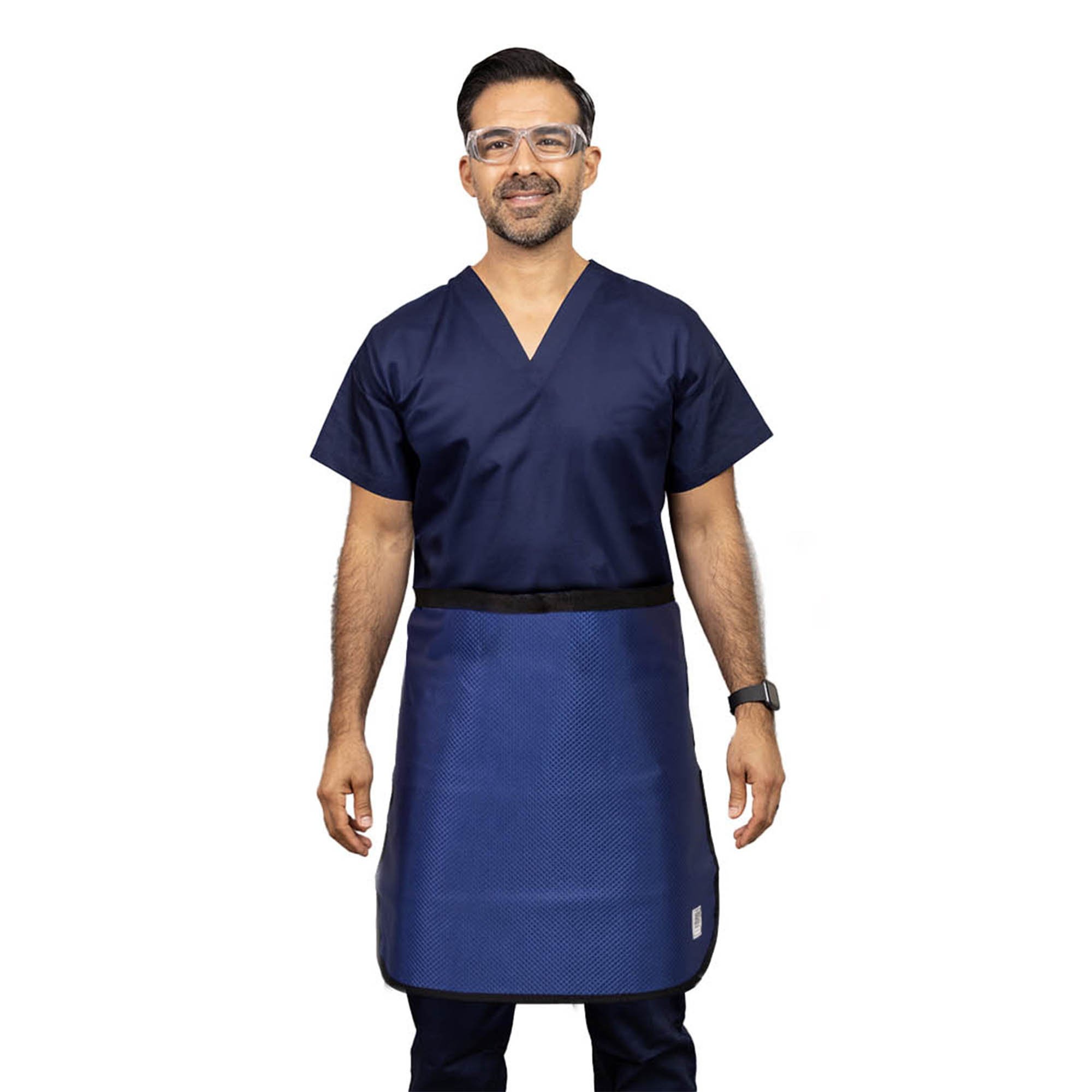
This Quickship Lightweight LapGuard Lead Half Apron is a great, flexible lead apron that effectively reduces radiation exposure.
Features:
- Lightweight Lead - 0.50 mm Pb equivalency front protection
- 97% Attenuation over 80, 100, 120 KVP
- Core material passes the universally recognized testing procedure: ASTM F3094-14
- The LapGuard lead apron covers the abdomen and the pelvis, offering maximized adjustability and comfort
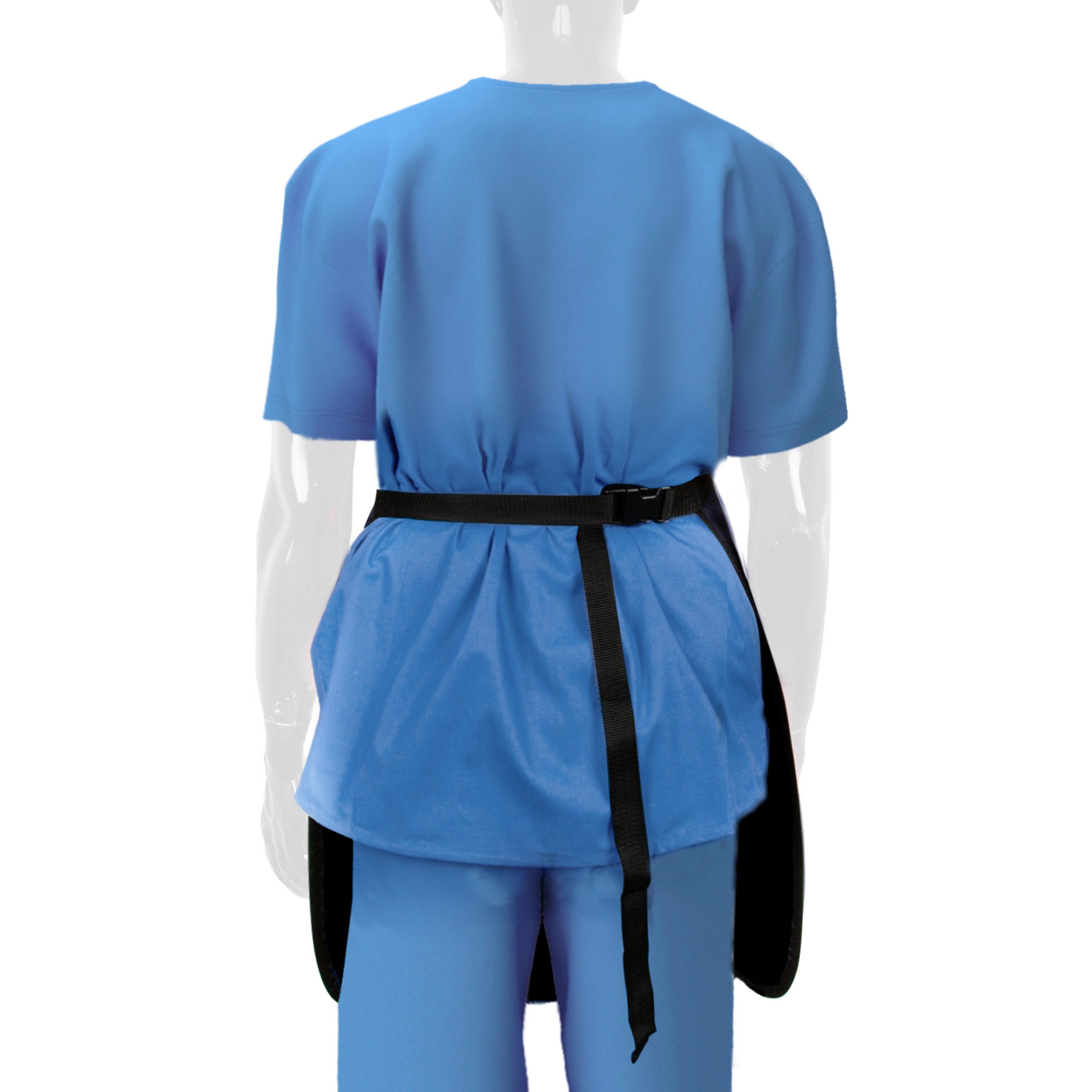
- It opens on the back and features a buckle closure, with straps that encircle and adjust around the waist, providing a secure fit by locking it in the back
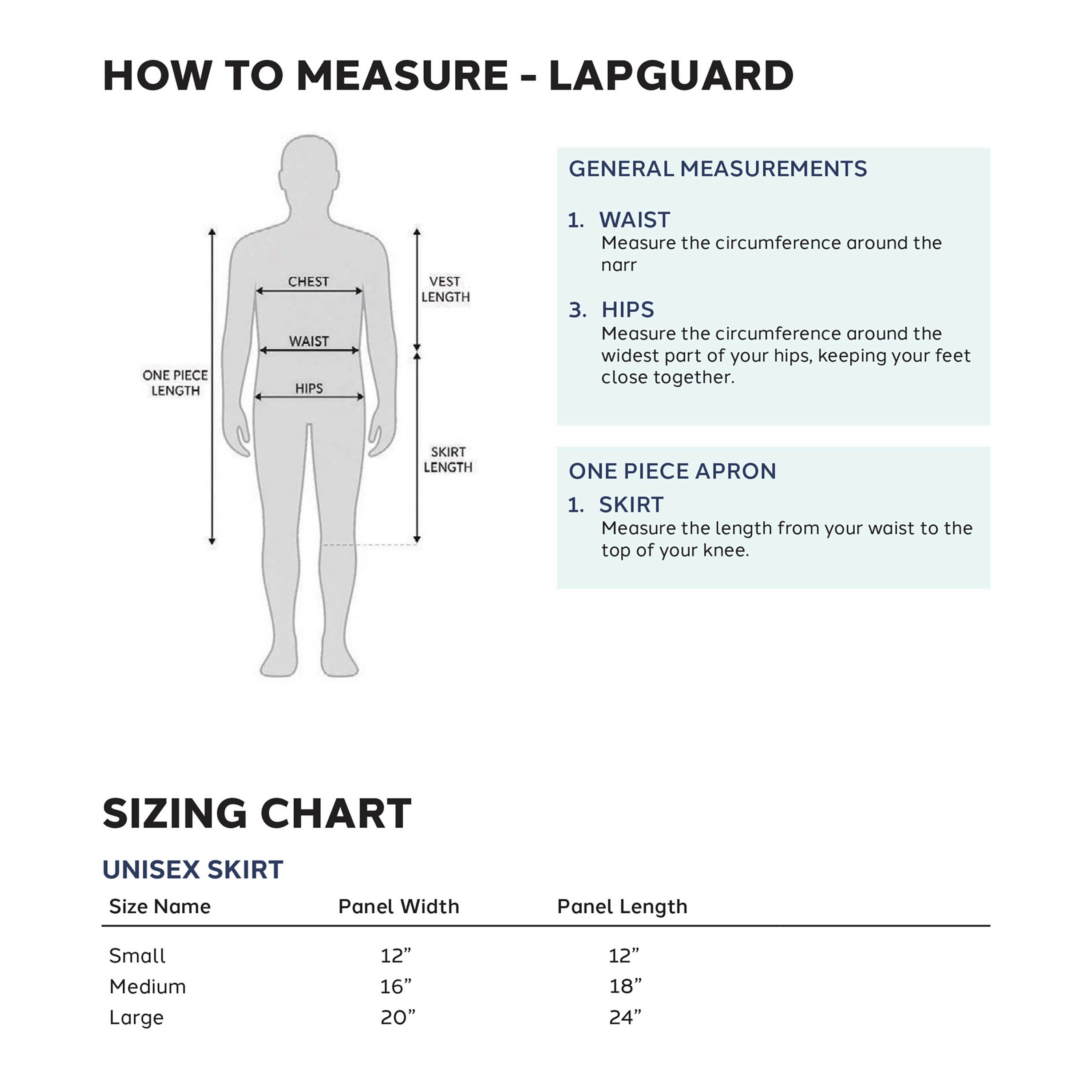
- Measuring 20" W x 24" L
- Strap is 32" L
- Approx. Product Weight: 5.2 lbs (Actual apron weight may be +/- 10% of the approximate weight listed)
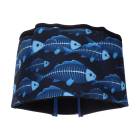
- Navy Blue Ripstop color
Ripstop is a woven fabric that uses a reinforcing technique, which makes it more resistant to tearing and ripping. Often made of Nylon, Ripstop is a lightweight material with interwoven reinforcement threads in a crosshatch pattern, making it looks like a diamond-stitch appearance. EXTREME RESISTANT - LIGHTWEIGHT - STRENGTH & DURABLE - DIAMOND STITCHING
This item may be used by seed implant patients to protect pets and small children from exposure.
Please note, core material lead equivalency requirements vary by facility. If apparel must be approved by a safety officer prior to use, please confirm the lead equivalency requirements at your facility prior to placing an order.
About this Brand
 The Phillips family's deep roots in the optical business were planted over 115 years ago with producing glasses for Bausch & Lomb in 1905. With the creation of Phillips Safety Products in 2001, the company began to focus its extensive optical experience on occupational safety, specifically protecting the eyes of customers using X-ray and laser equipment for healthcare, education, and military purposes. As the company has grown, its experience safeguarding professionals working with X-rays has led to the creation of innovative radiation protection barriers that provide both radiation protection and patient visibility. Phillips' state-of-the-art computer numeric control (CNC) edging facility enables them to produce the highest quality products, ensuring accurate production of both spherical and aspheric lenses. With a wide range of both designer and affordable classic frames coupled with its capability to incorporate prescriptions in safety glasses, Phillips Safety stands apart for blending the best and most affordable styles with the necessary safety functions to keep your eyes protected.
Specifications
| Manufacturer | Phillips Safety Products |
|---|---|
| Country of Manufacture | United States |
| Item Ships From | New Jersey |
Product Videos
Instructions
Warranty: Phillips Safety Radiation Protection Apparel products are covered by a 2-year warranty against manufacturing defects from the date of purchase. This warranty does not cover normal wear and tear or damage caused by overloading or improper use.
Garment Storage: With careful use and proper storage, the useful life of the garment should be several years. When not in use, garments should be placed on a hanger. Extreme heat will severely damage your garment. Avoid contact with hot surfaces or exposure to direct sunlight. Also avoid contact with sharp objects, as these may penetrate the garment's protective core. For transportation, the garments should be carefully rolled up and put in a box or tube.
Garment Cleaning: Many aqueous-based stains, especially from body fluids, are easily removed by wiping with a cloth/sponge dampened with water containing a non-aggressive, non-bleach detergent. A soft scrubbing brush may be needed for dried blood and stubborn aqueous stains (including barium contrast media) where these have gone into the weave/fibers of the fabric.
DO NOT IRON - DO NOT DRY-CLEAN - DO NOT AUTOCLAVE - DO NOT USE BLEACH - DO NOT USE ALKALI DETERGENTS - DO NOT USE ALCOHOL
Inspection: Regular inspections of the garment, at least annually, are recommended using radiographic or fluoro operating at 70-90 kV. Lines may indicate cracks; dots may be pinholes, (seen as dark on film, clear on fluoro) - consult your Radiation Safety Officer.
Returns
Returns require prior written authorization within 30 days of product receipt. Please contact Customer Service and provide a reason for the return request. A restocking fee may be assessed at the discretion of the manufacturer. All items must be returned in original, unopened box, uninstalled, unused condition. All shipping charges remain payable by the purchaser.
Reviews 9
Write Your Own Review
Ask a Question (1)
Customer Questions